From our house to yours.
We wish you all a very Merry Christmas!
Friday, 25 December 2020

Tuesday, 1 December 2020
December Book Tuesday!
Welcome to another Book Tuesday offering for you.
Enjoy
Victorian Society of Alberta
They Came
-by Billie Milholland

We know the stories of men who settled and developed the West, but of the women, except for a handful of rich and famous, we know little. They Came tells the heroic stories of 113 women who came to Western Canada from somewhere else between 1890 and 1950. Following each story is a recipe, something their children and grandchildren remember fondly....
Neighbours and Networks, the Blood Tribe in the Southern Alberta Economy
-by W. Keith Regular

Neighbours and Networks explores the economic relationship that existed between the Blood Indian reserve and the surrounding region of southern Alberta between 1884 and 1939.
The Blood tribe, though living on a reserve, refused to become economically isolated from the larger community and indeed became significant contributors to the economy of the area. Their land base was important to the ranching industry. Their products, especially coal and hay, were sought after by settlers, and the Bloods were encouraged not only to provide them as needed, but also to become expert freighters, transporting goods from the reserve for non-Native business people. Blood field labour in the Raymond area's sugar beet fields was at times critical to the functioning of that industry. In addition, the Bloods' ties to the merchant community, especially in Cardston and Fort Macleod, resulted in a significant infusion of money into the local economy.
Keith Regular's study fills the gap left by Canadian historiography that has largely ignored the economic associations between Natives and non-Natives living in a common environment. His microhistory refutes the perception that Native reserves have played only a minor role in regional development, and provides an excellent example of a cross-cultural, co-operative economic relationship in the post-treaty period on the Canadian plains.
Wednesday, 11 November 2020
Lest We Forget
Today as we remember those who sacrificed themselves in service
to Empire and in response to the commands of their Kings and countries.
We must also remember that ALL the men and women who participated in WWI
were "Victorians" and those who served in WWII were mostly
"Edwardians".
These two titanic conflicts changed the worlds of
these people in unimaginable ways. Neither the Victorians or the
Edwardians, as we tend to study and re-create them, remained when the
smoke and dust settled.
Not only did hundreds of thousands of them die, but the very cultural structures in which they had grown up were swept away.
In 1914 a farmer in Western Canada, a fisherman on the coasts, a
labourer in the factories of Eastern Canada, or a miner in the far
north, went when their King called because that was what one did.
102 years ago when the guns fell silent at 11:00 AM on November 11th
they did not know that everything had changed forever, but they hoped
that at least war was done with.
Alas their children found that was not true.
There are none alive now who remember the world of WWI and few indeed that remember WWII.
We owe it to them that we remember, we also owe their World, the
Victorian and Edwardian World we celebrate, that it not be forgotten
either.
Lest we forget.
God Save the Queen!
 |
| Photo by Neil Zeller |
Friday, 6 November 2020
Treaty Recognition Week
Here is a map of all the treaties made with the First Nations in Canada.

https://www.trentu.ca/education/sites/trentu.ca.education/files/documents/TrentUSchoolofEd_TreatiesWeek_ResourcePackage.pdf
Tuesday, 3 November 2020
November Book Tuesday
Here are a couple of books for you to consider on this fine November Book Tuesday!
Thanks for Reading
Victorian Society of Alberta
Settling In, Early Homes of Western Canada
- by Faye Reineberg Holt
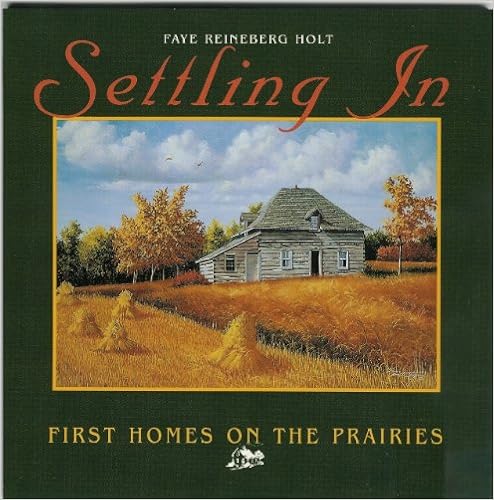
Moving and settling in have always been a part of prairie life. From teepees to soddies, mail-order houses to mansions, early homes on the Canadian prairies were as diverse as the people who lived in them.
When newcomers from other cultures and places arrived in western Canada, one of their first tasks was to build a shelter for themselves and their families. Settling In details the different lifestyles, cultural expectations, and construction techniques of First Nations, explorers, fur traders, missionaries, NWMP, and pioneer settlers as they built dwellings in the often inhospitable prairie climate and turned houses into homes.
Archival photographs provide a visual record of the enormous variety and ingenuity characteristic of early prairie architecture in the late 1890s and early 1900s.
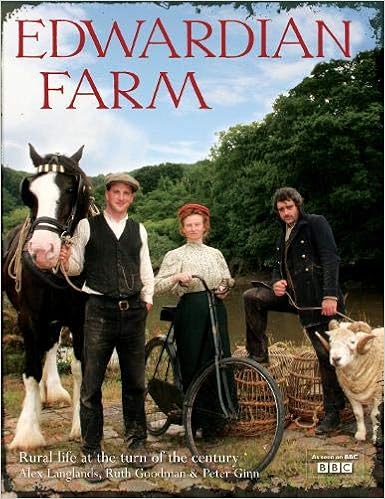
Edwardian Farm
– by Alex Langlands, Ruth Goodman & Peter Ginn
Wednesday, 14 October 2020
Ladies Fashions 1867 to 1907
This poster shows the high class Ladies fashions across our entire time period.
Elegance that could only be dreamt about for most people in the Territories I expect.
Thanks for reading.
Victorian Society of Alberta

Sunday, 11 October 2020
Happy Thanksgiving!
From all of us at the Victorian Society of Alberta, to all of you, wishing you a happy, healthy Thanksgiving!

Subscribe to:
Posts (Atom)